
The first time it happened, I thought it was just a bad day. My four-year-old and I were sitting at the kitchen table, a pile of goldfish crackers acting as counting chips. The problem was simple: two crackers plus one cracker. He stared. He counted on his fingers. Then he put down the wrong number and immediately burst into tears.
Not just crying. Full, body-shaking meltdown. The kind where he threw the crackers on the floor and hid his face in his hands.
I sat there frozen, thinking: It’s just math. It’s preschool math. Why is this happening?
If you have a child who melts down over every mistake, you know the feeling. You try everything. You make it fun with games and songs. You back off and try again later. You breathe through your own frustration. But somehow, the meltdowns keep coming.
Here’s what I slowly, painfully learned: my child wasn’t melting down because the math was too hard. He was melting down because being wrong felt unbearable.
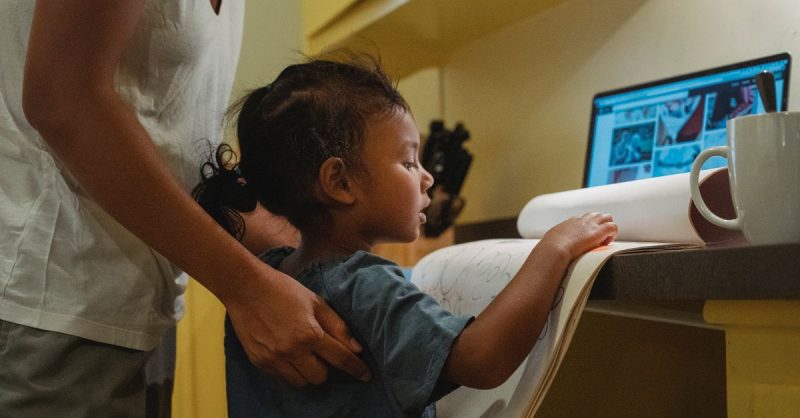
What the Meltdown Really Means
Some preschoolers don’t hate learning. They hate feeling wrong.
For a perfectionist child, getting an answer wrong isn’t a small mistake. It feels like a crack in their entire sense of self. They’re not just bad at this one problem. In their mind, they’re bad at everything. They’re not smart. They’re not good enough.
I started watching more closely during our math time. When I handed him a worksheet, his shoulders would tense up before he even looked at the numbers. He’d grip his pencil so hard his knuckles turned white. He’d ask me three times, “Is this right?” before writing anything down.
This wasn’t a math issue. This was anxiety wearing a math costume.
Why Games Didn’t Fix It
I tried everything the parenting blogs said. We played math bingo. We counted cars on the drive to school. We sang counting songs. Sometimes it worked for a few minutes. But the second he sensed he might be wrong, the same meltdown came back.
I remember one afternoon, we were playing a simple dice game. He rolled a three. I asked him to count the dots. He counted twice, got two different numbers, and then threw the dice across the room.
I wanted to say, “It’s just a game. It doesn’t matter.” But I knew that wasn’t the point. For him, it mattered deeply.
What Helped Me Understand Him
I started paying attention to his face during those moments. His jaw would tighten. His eyes would get glassy. He looked less like a stubborn kid and more like a scared one.
From his perspective, every math problem was a test he might fail. And failing wasn’t just about the answer. It meant disappointing me, disappointing himself, proving that he wasn’t as smart as he wanted to be.
That realization changed everything. I stopped trying to fix the math and started trying to help him feel safe.
Small Shifts That Made a Difference
First, I stopped saying “It’s okay to make mistakes.” He didn’t believe me. Instead, I started saying, “I wonder what will happen if we try this wrong on purpose.” That made him laugh. It made the mistake feel less dangerous.
Second, I started doing math problems myself and making mistakes out loud. “Oops, I put five instead of four. That’s funny. Let me fix it.” He watched me. Slowly, he started to see that wrong answers didn’t mean the end of the world.
Third, I stopped timing our math time. No worksheets. No expectations. Just open-ended play with numbers. We built towers and counted blocks. We sorted toys by color and counted how many. The moment I removed the word “right” and “wrong,” his shoulders dropped.
What Helped Us Instead
One day, I found a set of simple counting cards with pictures of animals on them. No numbers, just images. I asked him to count the elephants. He did it slowly, carefully, and when he got it right, he smiled. Then he asked to do another one.
That was the first time in weeks he asked for more. I realized he needed a way to practice that didn’t feel like a test. Something with clear answers but no pressure. Something that let him build confidence one small step at a time.
Why Math Activities Helped More Than Games
For my perfectionist son, games felt unpredictable. He never knew when he might lose. But structured math activities–like counting objects, matching numbers, or simple patterns–felt safer. He could see the answer. He could check himself. The control was in his hands.
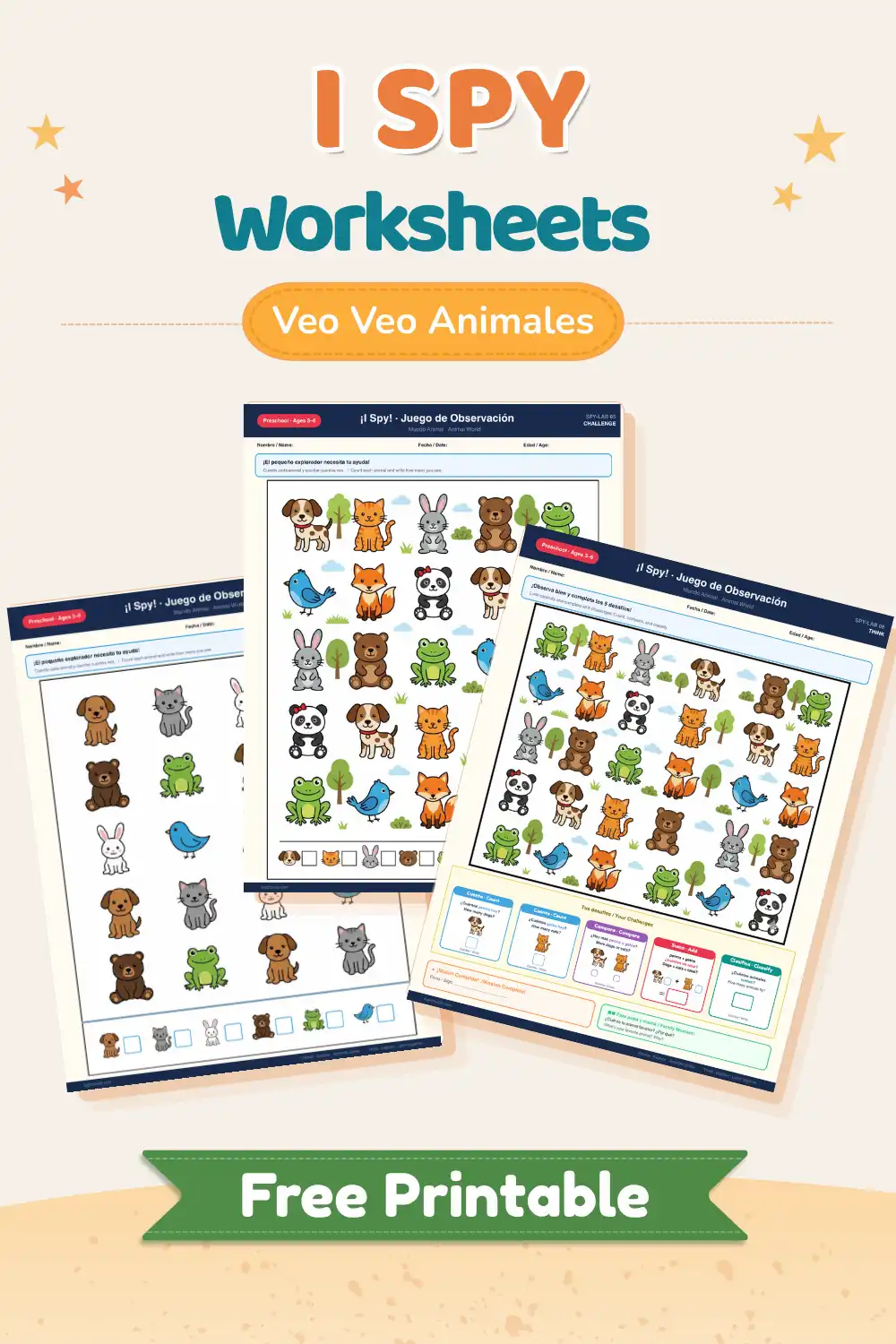
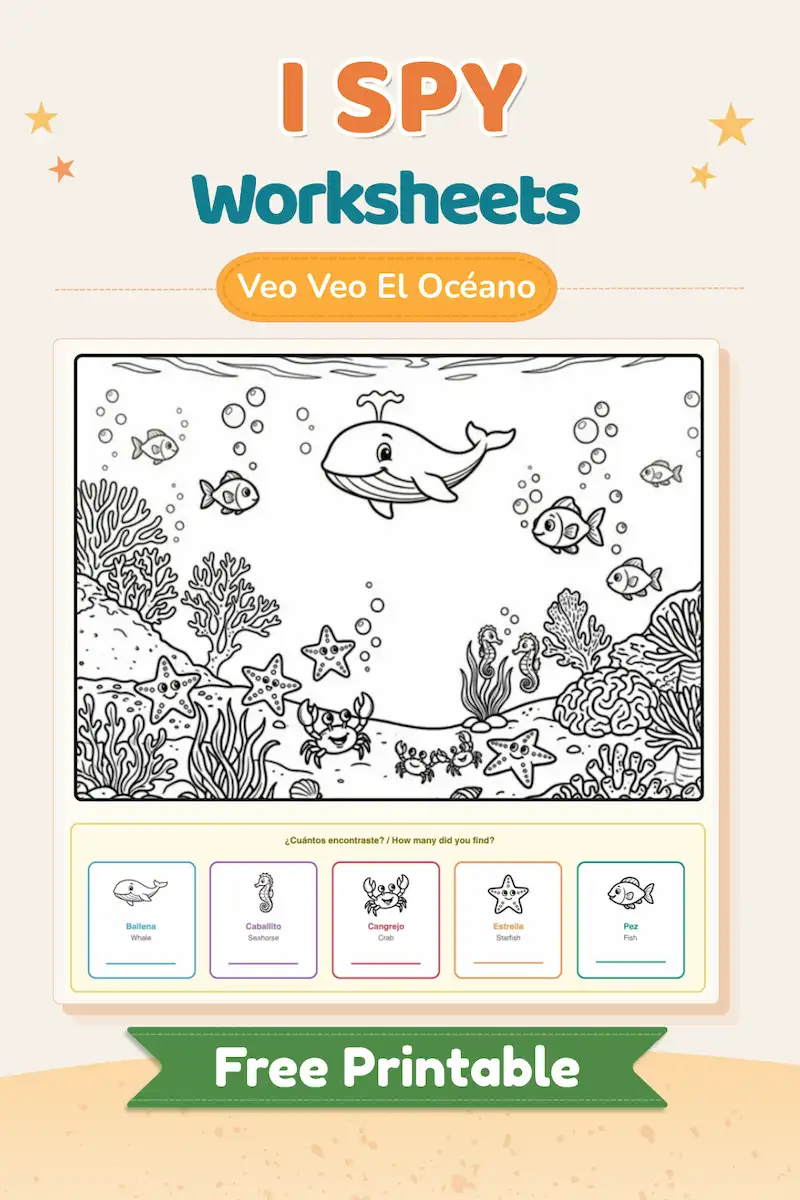
We started using simple worksheets that had clear pictures and one task at a time. No time limits. No corrections unless he asked. Just him and the numbers, figuring it out at his own pace.
What I Wish Someone Had Told Me
I spent months trying to fix my child. I thought if I could just find the right game or the right approach, the meltdowns would stop. But the real fix wasn’t about math. It was about helping him feel safe being imperfect.
Some days, it still doesn’t work. He still cries sometimes. I still feel like I’m failing. But now I know that the meltdown isn’t a sign that I’m doing something wrong. It’s a sign that he’s struggling with something bigger than numbers.
If you’re in the middle of this right now, take a breath. You’re not alone. Your child isn’t broken. And the math will come. What matters more is that they learn they can be wrong and still be loved.