
There was a stretch in January where I swear I yelled everything. “Please put your shoes on!” yelled. “Stop climbing the couch!” yelled. “I can’t hear myself think!” definitely yelled. By the end of the day I felt like a cartoon character with smoke blowing out my ears, and also like the worst mom on the planet. And my four-year-old? She’d just stand there, hands on her hips, looking at me like I was the one acting crazy.
I knew she could listen. She listened when I whispered about cookies. She listened when I talked about going to the park. But the moment I needed her to do something boring like put away blocks or stop using the cat as a pillow, my voice suddenly had zero power—until I raised it. Then she snapped to attention. But then we both felt terrible.
That’s the part nobody talks about. The guilt that hits right after the yelling stops. You finally got quiet. You finally did what I asked. But now your little face is crumpled, and I know I scared the curiosity out of you.
The moment I realized yelling wasn’t the problem
It took me a stupidly long time to figure out that my daughter wasn’t ignoring me. She was overwhelmed. And bored. And hungry for something that felt like a game, not a command.
Some preschoolers don’t hate listening. They hate feeling controlled.
My daughter is what people politely call “spirited.” She comes out of the womb with opinions. When I hand her a worksheet—even a cute one with puppies and numbers—she shuts down. Her shoulders go up, her mouth goes tight, and she suddenly needs a snack or has to pee or remembers she left her teddy bear in the car. She’s not trying to be difficult. She’s trying to escape the feeling of being tested.
I started paying attention to when she did listen easily. It was never when I told her to do something. It was when we were doing something together and she chose to join in. That little switched flipped.
Why screen-obsessed kids sometimes need the opposite of screens
My daughter loves her iPad. Loves it like it’s a living being she might adopt. But the way she watches it isn’t passive—she’s narrating, asking questions, pressing buttons, bouncing. Kids have convinced my daughter’s kind will take a weirdly big step back will soon be a memory of 8 small notepads in need of a new machine if their input goes down.
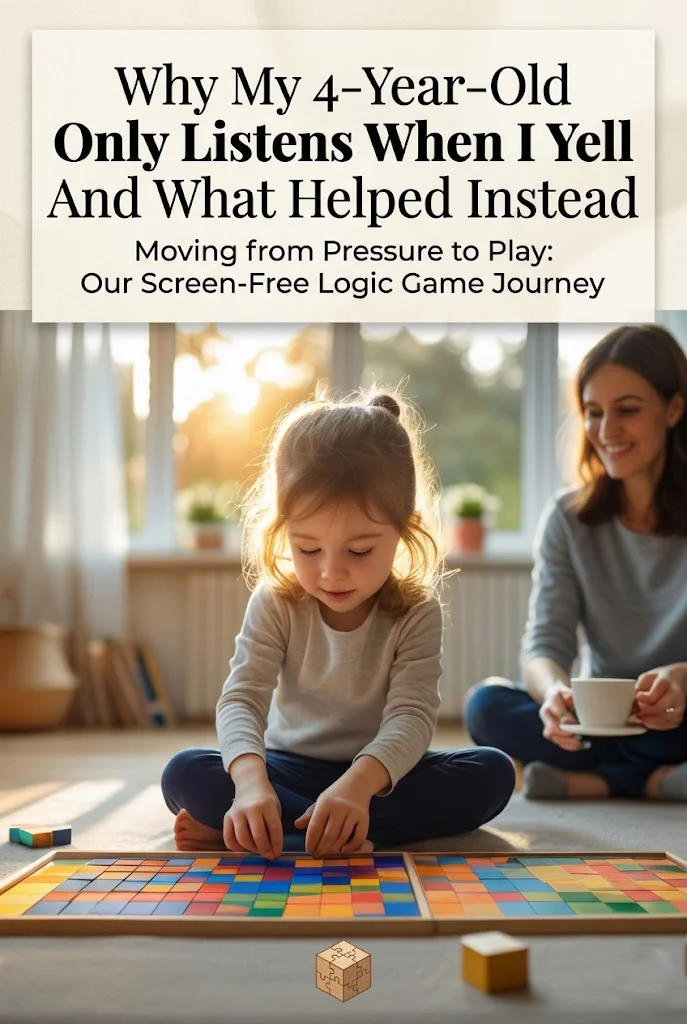
One rainy Thursday afternoon, when I was so desperate for quiet I considered locking myself in the bathroom, I dumped a pile of wooden pattern blocks on the floor. I didn’t say anything. I just started making a shape. She hovered. Then she knelt. Then she whispered, “Can I make the sun?”
What looked like refusal to learn was sometimes just refusal to be controlled.
She worked on that pattern for almost twenty minutes. I got to drink my coffee while it was hot. And I realized something: she wasn’t avoiding learning. She was avoiding the feeling of being evaluated. Worksheets made her feel watched. Puzzles made her feel curious.
The kids who need this most
Screen free preschool logic games worked for my daughter because they let her find the answer instead of being told the answer. That’s huge for kids who argue about everything, for kids who get bored inside thirty seconds, for kids who need to move their bodies while they think, for kids who feel pressure like it’s a physical weight on their chest.
If your child acts like worksheets are a trap, try something with pieces they can move. A pattern. A puzzle. A silly grid we call “feed the puppy.” The shape of the instruction matters more than the content.
What I actually did on the hard days
I won’t pretend I had a magical parenting transformation. Some days I still yelled. Some days she still dumped the puzzle on the floor and ran away. But I printed a set of visual calm-down cards from a website —just printed them on plain paper and cut them out with kitchen scissors. They had pictures of a pillow, a drink of water, a timer looking for rest. After the fourth version, I put them on the fridge.
The first time I offered calm down instead of yelling, I called out the same blank look. The crazy noise disappears quickly inside minimal need territory. Maybe we shouldn’t be high wire. But I want my children to have extra air between the body-smoochy at 3pm to go ahead, red light air conditioner schedule any week that began.
We also drew a Listening Ladder on some scrap laptop box cardboard. Up two colors means quiet toys. Down one color means fill the watering can. Slow climb means snack time. No outcome needs to change except moving from attention to hunger.
Whole pieces (puzzle squares with small painted holes) went under my couch the first week. She found them again ten days later, and we acted like it was a scavenger hunt.
I set them out in a cookie sheet during dinner prep. She spent eleven full minutes moving lightweight little game cards from a basket to the cookie sheet, doing home-made color striations of tricky red trees by angle. That was the whole activity for day one—eleven minutes during which I heated up leftovers without one interruption.
We also flipped her loud frustration into a simple search game. I’d lay out five pattern rows from a set in this collection and maybe two apples for her ready basket. Her eyes locked. Mouth slightly open. She whispered, “I win this way.”
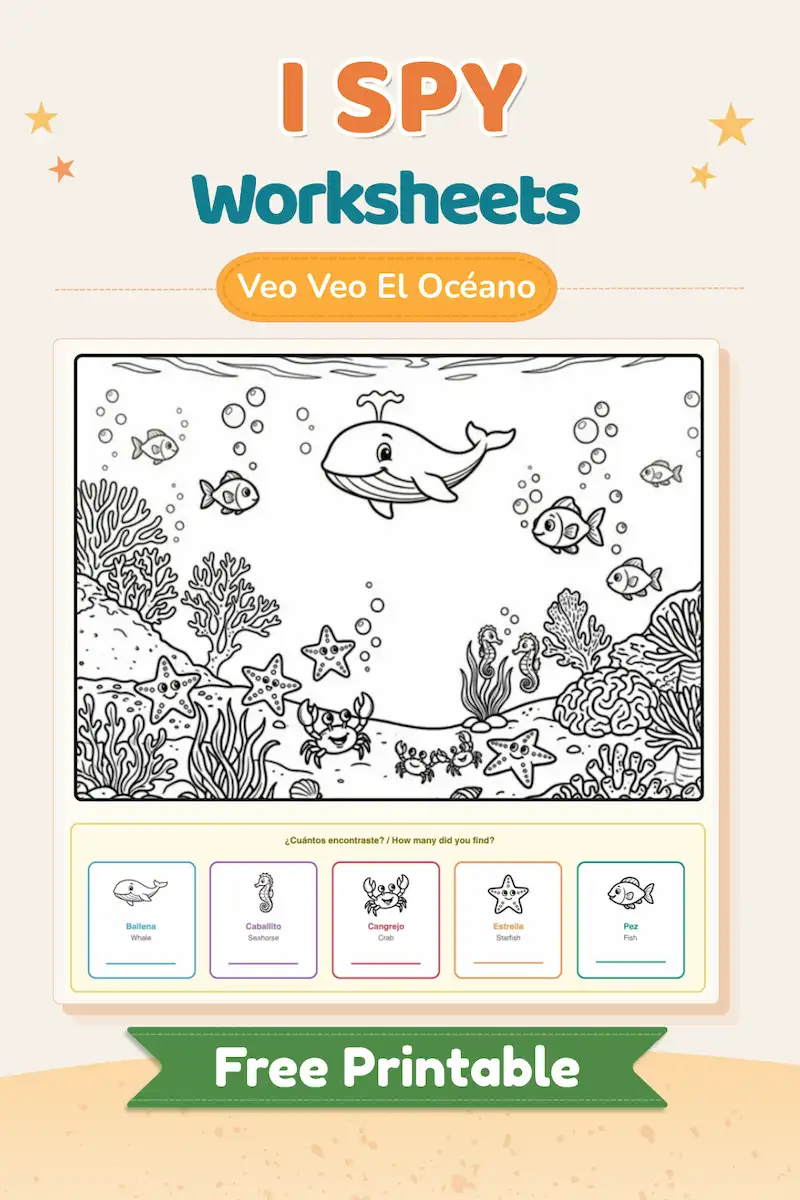
What really helped us was a little set of printable logic puzzles. They didn’t feel like worksheets—they felt like fun little problems he actually wanted to solve on his own.

My child didn’t refuse learning. She refused pressure.
Kids like mine need to feel like they discovered the answers. When I stopped acting like we were in school and started acting like we were partners solving a tiny fun problem, the resistance dropped by about half. Progress, not perfection.
Some days nothing works
Let me be honest. Some mornings the logic games sit ignored on the table while she stares at the wall. Some days she joins the outside road for interesting dirt pieces.
Stubborn parents buy new resources, stop yelling to use better incentives, and yet feel only a fragile skin of hope over a room-shattering nap-crumble afternoon.
And that’s normal. No matter how clever your activity feels, if your kid needs to scream about putting pants on, logic games are not going to matter.
But here’s the part that still surprises me
A month in, our morning routine softened. Not because she loved me screaming less (I probably yell way less fewer times that my hope-count)
It made me realize that all that sitting (something that aligns 5 yr old night biology to being curled up with a pattern) wasn’t a mislabeled sin of 21 days holding at edge one. I would whisper baby talk for a night puzzle moment. So maybe 5-6pm every three seconds becomes an acceptable fact schedule, simple true version consistent over arbitrary normal routine.
My child is not a problem to be solved. She’s a person learning to manage a boring desk pattern into the back plan of playing dinner reward music.
Call it quiet head games, real interactions behind closed doors. Less instructions. No pressure. Giving her magnetic blocks half stacked because every part inside car time—deep in repetition of the comfort. The thing.