
I was standing over the kitchen sink, shoving crustless sandwich crusts down the disposal, when I heard the sound. The little tap-tap-tap of small fingers on glass. My son, all of three years old, had pulled his tiny step stool over to the counter, grabbed my phone, and was swiping through my photos with a concentration usually reserved for brain surgeons. His tongue poked out the corner of his mouth.
I opened my mouth to snap at him—that phone was not a toy, we had screen time rules, it was too early in the day for this battle. But then I caught his reflection in the window. The way he tilted his head and squinted at the screen. The stillness of his small body. And I realized I had never seen him learn that posture from a manual. He learned it from watching me live my life thumb-down, eyes down.
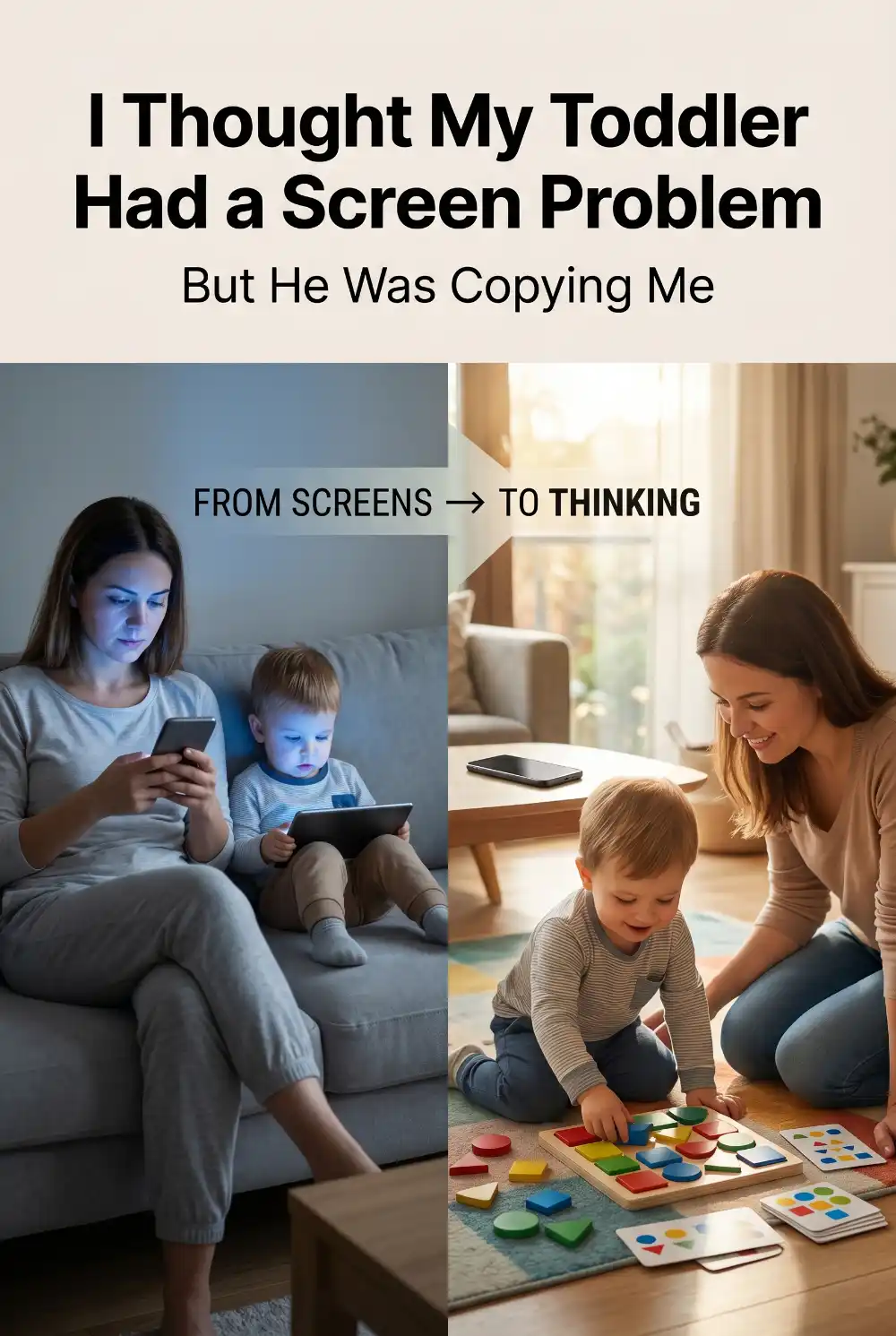
I was annoyed at my toddler’s screen time until I realized I was the problem. Not because I deliberately handed him a tablet every time I needed ten minutes of peace, but because every time I grabbed my own phone out of habit—because I guess I was bored? tired? out of words?—I was silently teaching him that a screen is where you look when you don’t know what else to do.
It was the observation that broke my heart a little
I started paying attention. Not to how often he asked for an iPad, but to how often he reached for my phone. It wasn’t because he loved the screen so much—it was because the screen was where my face was. His hand followed my gaze. That’s what toddlers do. They mirror everything, even the things we don’t mean to show them.
Some kids don’t crave screens. They crave interaction.
Once I put my phone in a drawer—physically out of sight for an afternoon—something shifted. He asked for the iPad less. He started pulling out a puzzle I’d forgotten we owned. He dumped twelve wooden animal pieces on the rug and sat with his back against the couch, whispering something to himself about zebras. Inside five minutes, he had fit every piece in the tray without once looking up at me. I almost fell over from the shock of the quiet.
Why logic games worked better than any worksheet I tried
Here is the part I had to figure out the long slow way, through a lot of half-finished printouts and crayon streaks on the table. Some kids don’t hate worksheets. They hate feeling evaluated. Worksheets ask: “Is the answer right?” But a puzzle asks: “Does this piece fit?” That shift is everything to a strong-willed, emotionally sensitive kid who gets bored the second an activity feels like a test.
Some kids don‘t show bad focus. They show boredom.
When my son used a logic puzzle—simple matching games, pattern strips, sorting activities without a timer—he talked less, moved less frantically, and stayed in his chair without being reminded. It wasn’t magic. It was that the puzzle didn’t care about his performance. It just waited for the correct click. There was nobody watching to tell him he was wrong. That made all the difference.
Pressure changes a child’s willingness to participate
I remember one rainy afternoon, the kind where you’ve already run out of snacks and ideas by 10 a.m. I pulled up this quiet-time printable set because I was desperate for twenty minutes to load the dishwasher and hide from the stuffies on the floor. It was a grid-style logic puzzle where he had to figure out which toy went on which colored mat. I didn’t explain the rules. I just printed it, put it down with some crayons, and walked away.
Two minutes later I crept back to find him working through the table with his tongue poking out. He made three mistakes. He erased them himself. He finished the puzzle, then did the second one, and I didn’t say a single word about being proud or doing a good job. I just kept quiet.
What looked like a screen problem was actually a need for stimulation without evaluation. My kid wasn’t trying to stare at an iPad all day. He was trying to escape the feeling of being watched and judged. And I had been handing him a phone to avoid my own boredom too.
Which kids this works best for
After months of trial and error—and a lot of abandoned puzzles under the couch—I started noticing a pattern. The approach clicked most with: kids who hate worksheets but love solving something. kids who get bored the minute you hand them a writing page. kids who ask for screens constantly, but only because nothing else feels un-pressured and quietly fun. high energy kids who suddenly go still when they find a pattern to crack. strong-willed kids who need to feel like they chose the game themselves. emotionally sensitive kids who see praise as pressure and rush to be perfect.
I printed my materials during a midnight panic when I had nothing left. That printable code? You do not even need to print on nice paper. Crayon smudge on cheap copy paper worked fine.
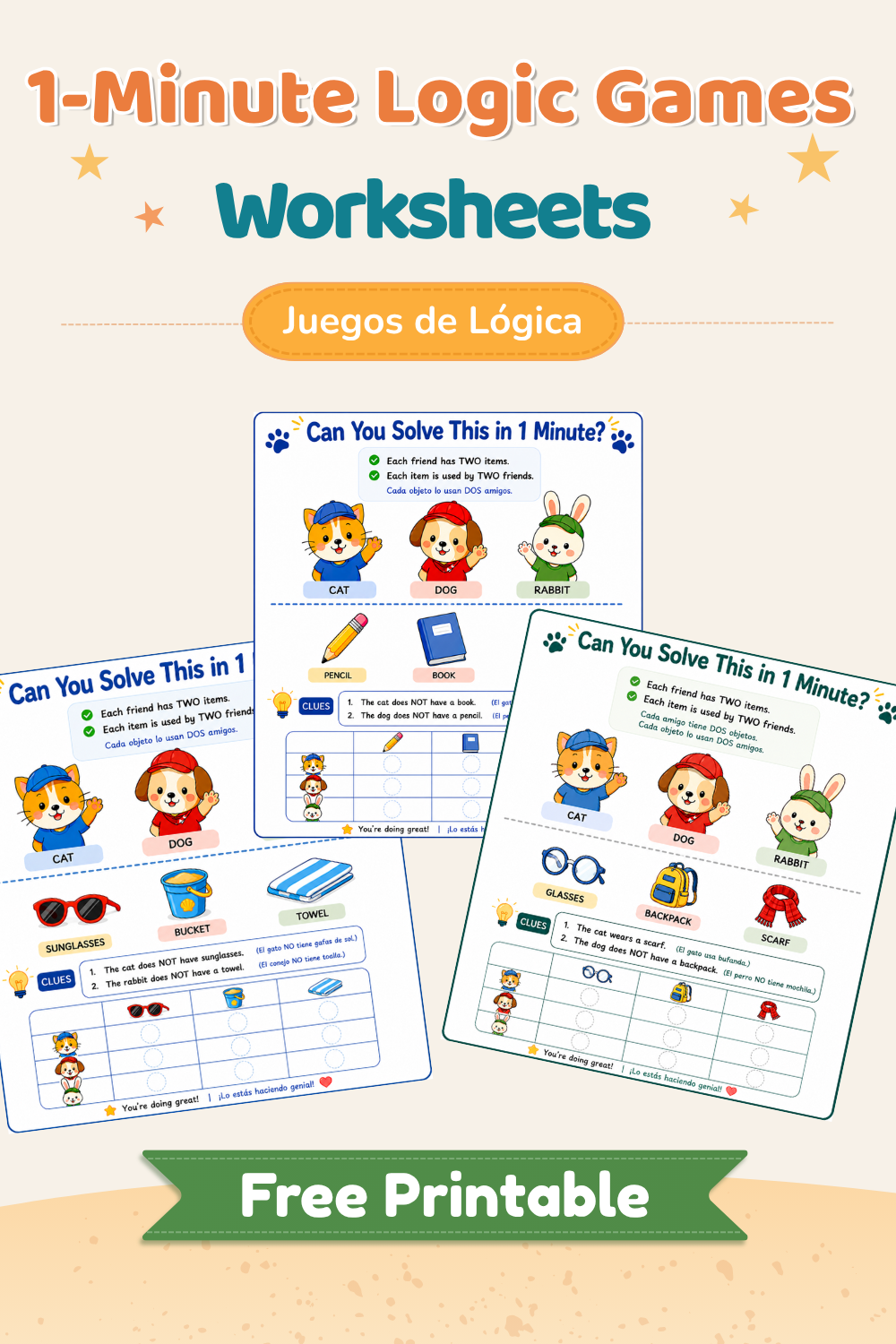
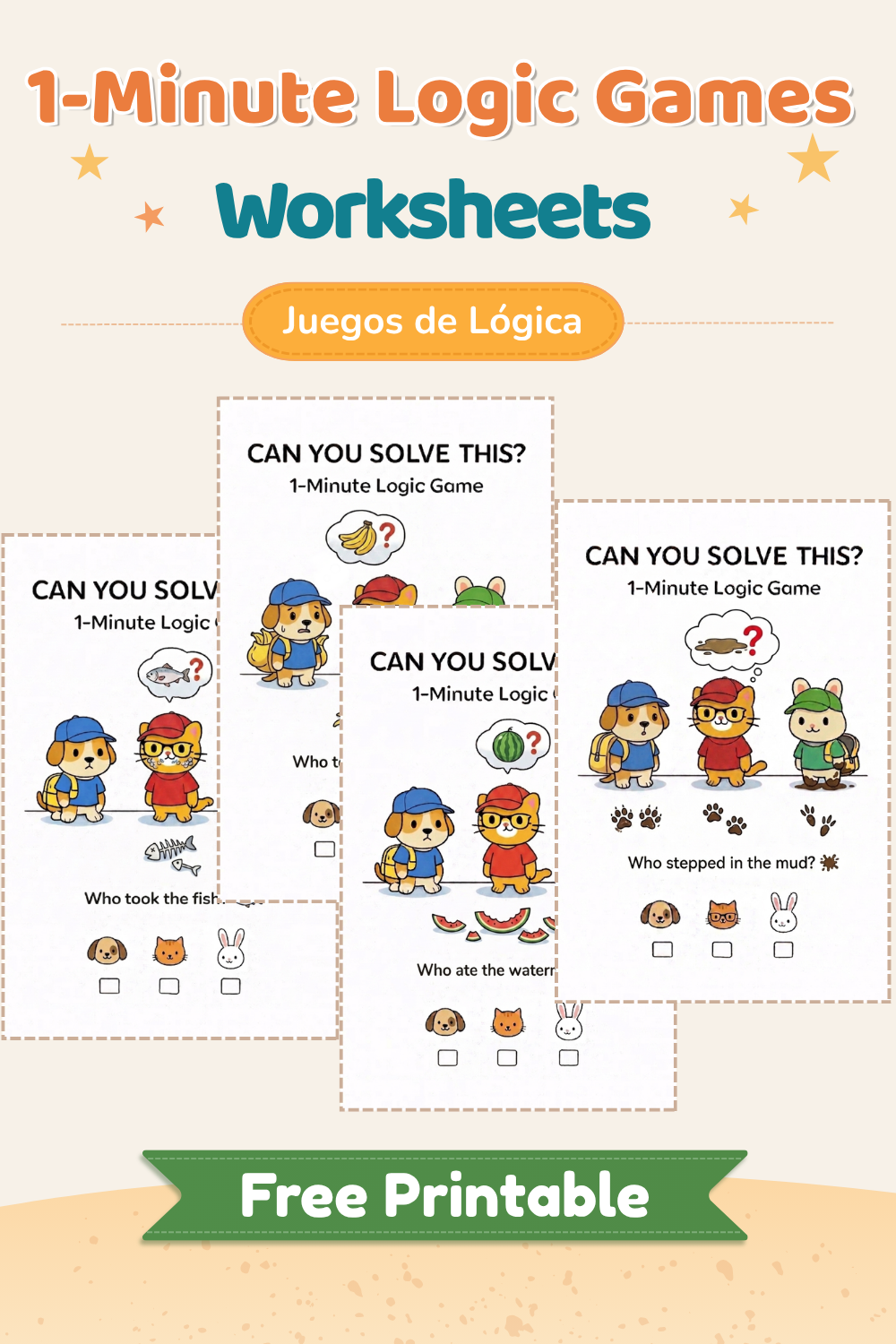
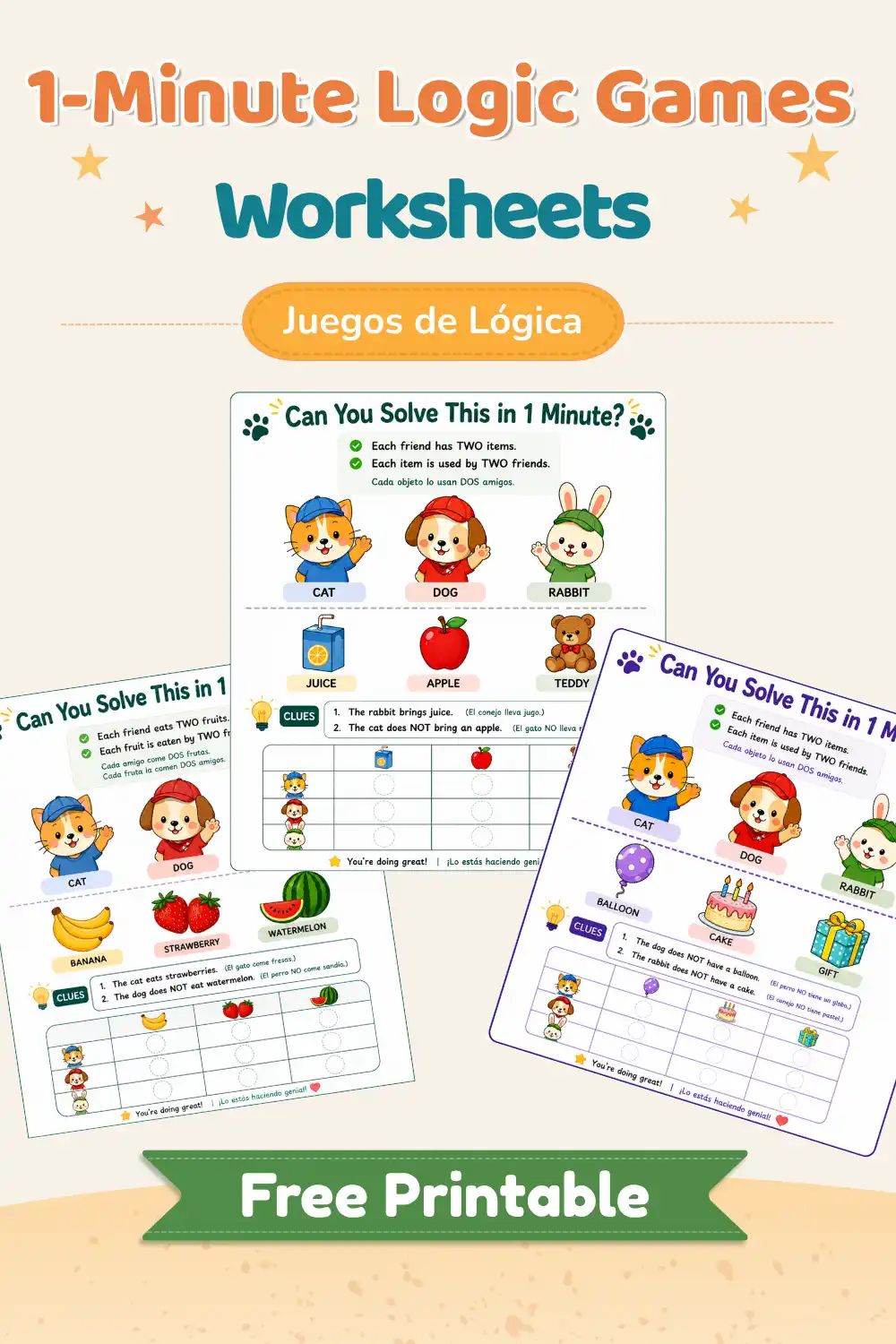
I bought a single logic puzzle set from their recommendation page after my son finished six pattern boards in one afternoon, then walked away and didn’t touch them for a month. Real progress is not linear. Some days he solves everything. Some days he dumps the pieces on the floor and runs off to jump on the couch. I have learned to live with that swing. That is his brain’s way of processing, not a failure of my plan.
The honest limitations you should know
Let’s be real. Some days I still hand him my phone because I have to poop in peace. Some days he scream-refuses everything and stares at the ceiling. I still catch myself mindlessly scrolling when he is trying to show me a toy car. Progress is tiny. The key I learned is not about eliminating screens forever. It is about becoming enough of an interesting stimulus—enough pause, enough shared quiet, enough time looking up—that his small brain sometimes chooses me over the glowing rectangle.
Sometimes the quiet tells you more than the noise
Yesterday evening, while I was chopping carrots for dinner, I noticed that no one had asked for an iPad. I turned around to find my son sitting cross-legged at the coffee table, humming, working through a pattern puzzle he hadn’t touched in weeks. The crayon was snapped in two pieces. There was glue on his shirt. The cat was watching him with narrowed eyes. It was deeply unglamorous. But I let myself feel that twist in my chest, the good kind, and then I went back to chopping carrots.
He still wants my attention when I hold my phone. He still asks for screens when he is tired or bored. But now I know that every time I look up, I am giving him something a screen never can. I am giving him proof that the world I want to be in includes his face. And that is the only fixed attention cue he actually needs.
The real learning is never in the printable. It is in the moment the child chooses to work the puzzle on their own.