
You ask your child to put on shoes.
Nothing happens.
You repeat it again.
Still nothing.
Five minutes later, you’re frustrated, your child is upset, and somehow a simple instruction turned into a power struggle.
If this sounds familiar, you are definitely not alone.
Many children between ages 3 and 6 struggle with following directions consistently — not because they are lazy, stubborn, or “bad listeners,” but because the skills required to follow instructions are still developing.
The good news?
These skills can absolutely be strengthened with the right approach.
Following Instructions Is Actually a Complex Skill
For adults, instructions seem simple.
But for young children, following directions requires several brain skills working together at the same time:
- attention control
- working memory
- language processing
- impulse regulation
- sequencing
- emotional regulation
When one of those systems is overloaded, children often appear to “ignore” instructions even when they heard them.
That’s why repeating louder usually doesn’t solve the problem.
Common Reasons Children Don’t Follow Directions
1. They Lose Attention Midway
Young children are easily distracted.
You may say:
“Go to your room, grab your socks, and bring your backpack.”
But after hearing “room,” their brain already shifted to something else.
Multi-step instructions can disappear quickly from working memory.
2. The Instruction Feels Too Big
Sometimes children freeze because the task feels overwhelming.
“Clean your room” sounds simple to adults.
To a preschooler, it can feel huge and unclear.
Children respond much better to smaller, concrete directions like:
- “Put the blocks in the basket.”
- “Bring me the red book.”
- “Put your shoes by the door.”
3. Their Brain Is Focused Somewhere Else
If your child is deeply engaged in play, transitioning attention is genuinely difficult.
Many parents assume children are choosing not to listen.
In reality, shifting attention is a developmental skill that takes practice.
4. Emotional Stress Blocks Cooperation
Tiredness, hunger, overstimulation, anxiety, frustration, or transitions can dramatically reduce a child’s ability to process instructions.
Sometimes the issue is not behavior.
Sometimes the child’s nervous system is overloaded.
What Actually Helps Children Follow Instructions Better?
Get Eye Contact First
Before speaking:
- move closer
- say your child’s name
- wait for eye contact
This immediately improves attention and processing.
Use Short, Concrete Language
Instead of:
“Please clean everything up before dinner because we need to leave soon.”
Try:
“Put the cars in the box.”
Simple language reduces cognitive overload.
Give One Step at a Time
Young children often succeed more when instructions are broken into small actions.
One successful step builds momentum for the next.
Ask Them to Repeat the Instruction
A powerful trick:
“Can you tell me what you’re going to do?”
This strengthens working memory and helps children process directions actively instead of passively hearing them.
Turn Listening Into a Game
Children learn best through play.
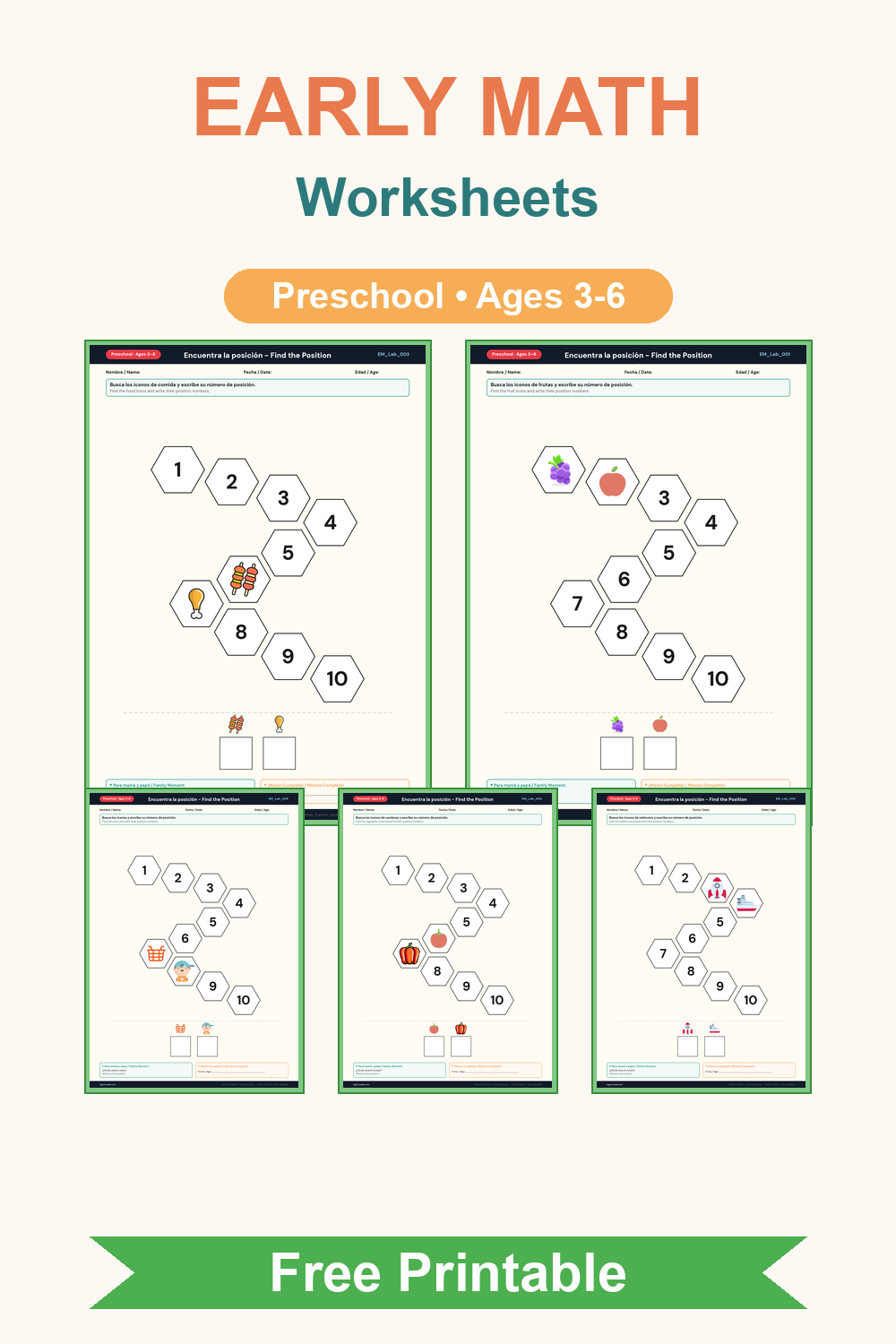
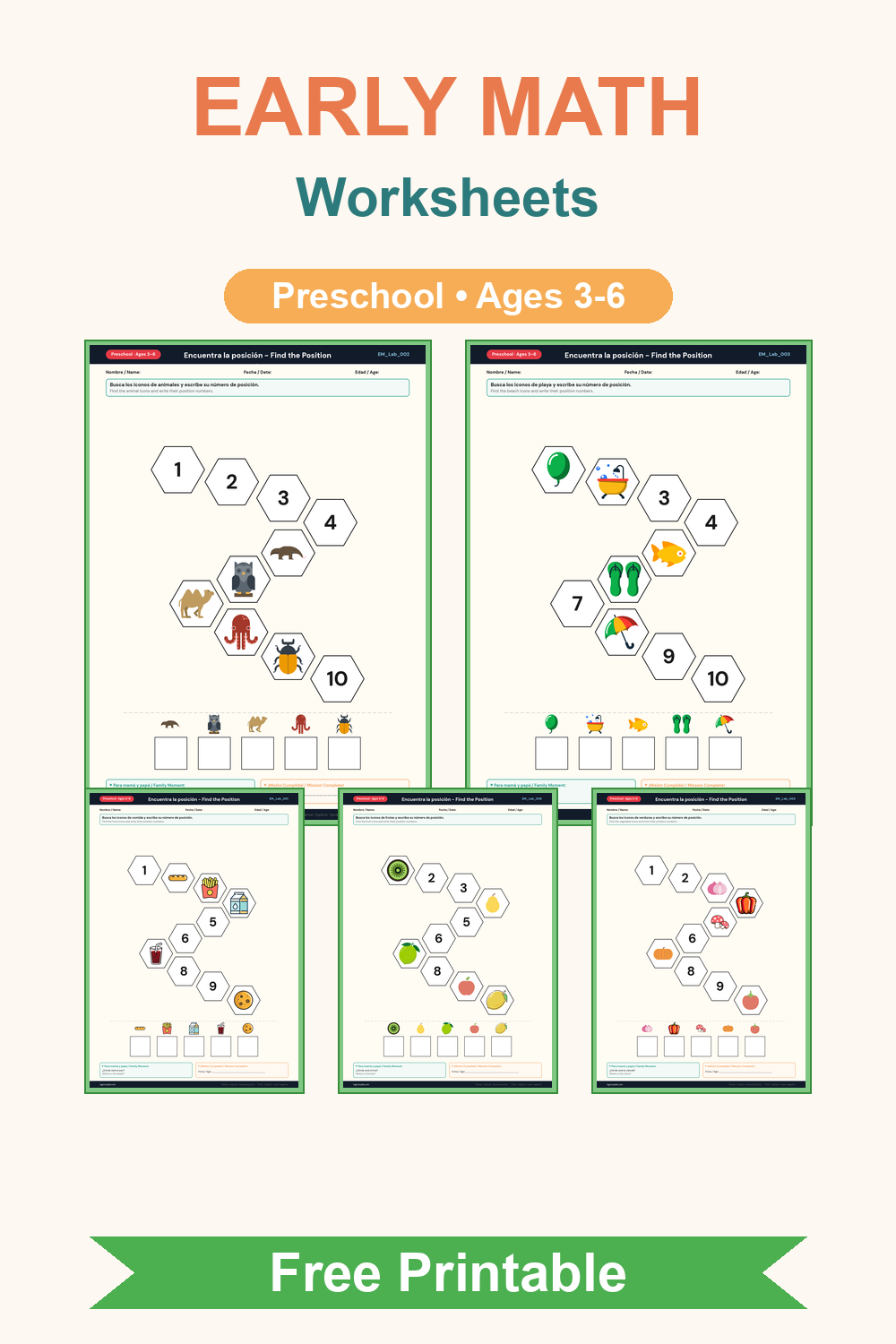
Activities involving:
- visual attention
- sequencing
- direction-following
- spatial reasoning
- simple logic challenges
can quietly strengthen the exact brain skills needed for listening and following instructions.
That’s one reason printable logic activities and guided games work surprisingly well for preschoolers.
👉 [See the guide: Best Toys for Building Concentration in Children Ages 3 to 6]

A Small Shift That Changes Everything
Many parents unintentionally repeat instructions over and over:
“Put on your shoes.”
“Shoes.”
“I said shoes.”
“Why aren’t you listening?”
But repetition without connection often becomes background noise.
Children respond much better when instructions feel calm, clear, and emotionally safe.
The goal is not obedience through pressure.
The goal is helping children build the mental systems required for cooperation.
A Helpful Parent Reminder
A child who struggles to follow instructions is not automatically disrespectful.
Sometimes they are:
- overwhelmed
- distracted
- emotionally flooded
- still learning executive functioning skills
When parents shift from:
“Why won’t you listen?”
to:
“What skill is hard right now?”
everything changes.
Simple Activities That Strengthen Listening Skills
Children build better listening naturally through activities involving:
- matching
- sequencing
- visual tracking
- counting directions
- spatial reasoning
- simple logic puzzles
These types of activities strengthen attention and cognitive flexibility in a low-pressure way.
Frequently Asked Questions
Is it normal for preschoolers to ignore instructions?
Yes. Many children ages 3–6 are still developing attention regulation and working memory.
Should I worry if my child struggles to listen?
Occasional difficulty is very common.
However, if challenges are extreme across many environments, discussing concerns with a pediatrician or specialist may be helpful.
What works better than repeating instructions?
- shorter directions
- visual support
- calm tone
- eye contact
- playful practice
- one-step tasks
These approaches are usually far more effective than repeating louder.
Final Thought
Children are not born knowing how to organize attention, process instructions, and regulate impulses.
Those are learned developmental skills.
And like any skill, they improve most with patience, repetition, emotional safety, and playful practice — not pressure.
LogicToy Lab | Bilingual early thinking activities for Spanish-speaking families in the United States. Recursos gratuitos para niños de 3 a 6 años · Free resources for children ages 3 to 6.