
It started with a spoon.
I handed my 3-year-old daughter Clara her yogurt at breakfast and she threw herself onto the kitchen floor like I had offered her a bowl of poison. Her face turned red. Her little fists pounded the tile. “No! Not the blue spoon! The green one!”
I stood there holding the yogurt, the blue spoon still in my hand, and felt something inside me crack. Not a big dramatic crack. More like the quiet, tired kind where you realize you’ve been holding your breath for three days straight.
Because it wasn’t just the spoon. It was the socks that were too bumpy. The car seat that was too tight. The bath that was too warm. The toothpaste that tasted wrong. Every single interaction felt like a negotiation I hadn’t agreed to enter. And somewhere around the fourth meltdown of the morning, I started wondering what I was doing wrong.
The Morning That Broke Me Open
Tuesday was the worst. I had barely poured my coffee when Clara refused to put on her shoes. She stood in the middle of the living room, arms crossed, chin jutted out like a tiny general declaring war on footwear.
“I don’t want those shoes. They’re ugly.”
“They’re the same shoes you picked out yesterday,” I said, trying to sound calm. My voice came out thin.
“I hate them now.”
I knelt down, hoping eye contact would help. It didn’t. She turned her whole body away from me. I felt a familiar heat rise in my chest. Not anger exactly. More like helplessness wrapped in exhaustion.
When I tried to gently guide her foot into the shoe, she screamed. A real scream. The kind that makes your neighbors wonder if they should call someone. I pulled my hand back like I had been burned. And for a moment, I just sat there on the floor next to her, both of us breathing hard, neither of us getting what we wanted.
I wanted cooperation. She wanted control. And we were stuck in that tiny hallway, two people who loved each other deeply but couldn’t figure out how to put shoes on without a war.
What I Thought Was Happening
In those early weeks, I told myself Clara was being difficult on purpose. I thought she was testing me, pushing limits, trying to see how far she could go before I broke. I read articles about strong-willed children and nodded along, but they didn’t help me in the moment. Knowing she was strong-willed didn’t stop me from feeling like a failure every time she collapsed in the grocery store aisle over a snack she suddenly didn’t want.
I started dreading the mornings. Then I started dreading afternoons too. By the time my husband got home, I was a shell of myself. I’d hand him the baby monitor and disappear into the bathroom just to sit on the edge of the tub in silence for five minutes.
I thought I was doing something wrong. Maybe I was too soft. Maybe I was too strict. Maybe I needed firmer boundaries or more patience or a completely different parenting philosophy. I tried everything. Gentle parenting scripts. Countdowns. Choices. Rewards. I even tried ignoring the tantrums, which just made them louder and longer.
Nothing stuck. And every night I fell into bed feeling like I had lost a battle I didn’t even understand.
A Different Way of Looking at It
Then one afternoon I was watching Clara in her play kitchen. She was making me a soup out of wooden vegetables and plastic pot lids. She stirred it carefully, then stopped, frowned, and dumped the whole pot on the floor. Then she started over.
I watched her do this three times. Each time she seemed dissatisfied with the result. But she didn’t give up. She just tried again, her little brow furrowed in concentration.
Something shifted in me right there. I realized that Clara wasn’t trying to make me miserable. She was trying to make sense of her world. And for a 3-year-old, the world is a place where you have almost no control over anything. What you wear. What you eat. When you leave the house. Who talks to you. How long you stay. Everything is decided by someone taller and faster and louder than you.
She wasn’t fighting me. She was fighting the feeling of having no say.
That thought landed softly in my chest and stayed there. It didn’t fix anything immediately. But it changed the question I was asking. Instead of “How do I make her listen?” I started asking “What is she trying to tell me?”
The Real Meaning Behind the Meltdowns
Once I started looking for the message instead of the misbehavior, I began to notice patterns I had missed before.
Most of Clara’s tantrums happened during transitions. Leaving the park. Stopping a game to eat dinner. Getting out of the bath. These were moments when her attention was fully absorbed in something she loved, and I was yanking her out of it without warning. From her perspective, it probably felt like I was interrupting something important. Because I was.
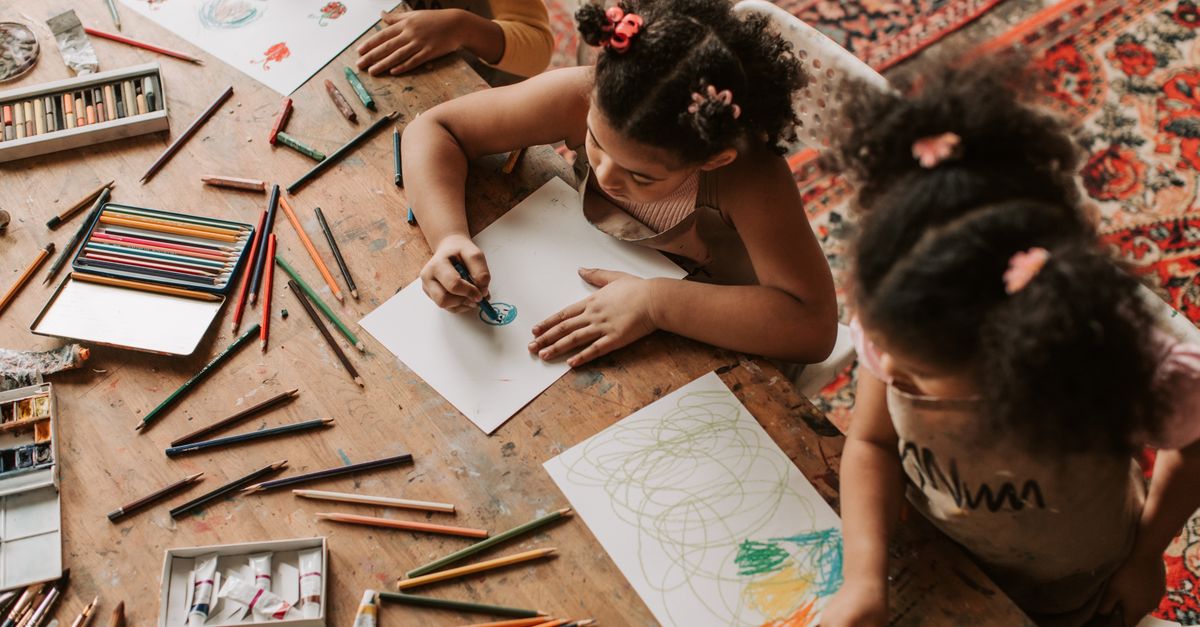
To her, building a tower was work. Painting was serious business. Playing was how she understood her life. And I kept interrupting that work without giving her time to prepare.
I also noticed that the worst blowups happened when she was tired, hungry, or overstimulated. Which sounds obvious. But in the heat of the moment, it’s easy to forget that a 3-year-old’s brain is still learning how to handle big feelings. She doesn’t have the words to say “I’m overwhelmed and I need a break.” So she shows me with her body. She falls apart because she can’t hold herself together anymore.
I started paying attention to the quiet moments too. The way she would cling to my leg when we walked into a crowded room. The way she would hide her face when a stranger spoke to her. The way she needed ten minutes of snuggling before she could settle into sleep. All of that was communication too. I just hadn’t been listening.
What Changed When I Stopped Fighting Back
I want to be honest with you. Nothing changed overnight. And I still lose my cool. There are mornings when I raise my voice before I even realize I’m doing it. There are afternoons when I give up and let her watch TV just so I can have ten minutes of silence.
But I started doing one small thing differently. When I felt the frustration rising, I tried to pause before reacting. Just a breath. Just a second to remind myself that she wasn’t giving me a hard time. She was having a hard time.
I also started giving her more control in areas that didn’t matter to me but mattered a lot to her. She picks her own socks now even if they don’t match. She chooses which cup she wants for water. She decides whether we walk to the car or hop like bunnies. These tiny choices give her a sense of agency that reduces the need to fight for control in other areas.
I learned that giving her power doesn’t take mine away. It builds trust instead.
And when the tantrums still happen, which they do, I try to sit with her instead of fixing it. I don’t say “calm down.” I don’t explain why she shouldn’t be upset. I just stay close and let her feel what she feels. Sometimes she crawls into my lap. Sometimes she pushes me away. But she knows I’m not leaving.
Some Days Nothing Works
I think it’s important to say that this approach doesn’t always work. Last week Clara had a meltdown because her banana broke in half. I tried everything. I validated her feelings. I offered a new banana. I stayed calm. She still screamed for twenty minutes straight. I ended up crying in the kitchen while she cried in the living room.
Those days happen. They’re not signs of failure. They’re signs that we’re human, living with another human who is still learning how to be in the world.
Parenting a toddler is not about getting it right. It’s about staying in the room when everything feels wrong.
I’m learning that Clara’s defiance isn’t personal. It’s developmental. It’s the clumsy, beautiful, exhausting way she learns that she is a separate person with her own wants and needs. And my job isn’t to eliminate her frustration. It’s to help her survive it without losing her sense of safety.
I still mess up. I still get frustrated. I still hide in the bathroom sometimes. But I don’t see her behavior the same way anymore. I see a little girl who is doing her best with a brain that isn’t fully formed yet. And I’m doing my best too.
What Helped Us Instead
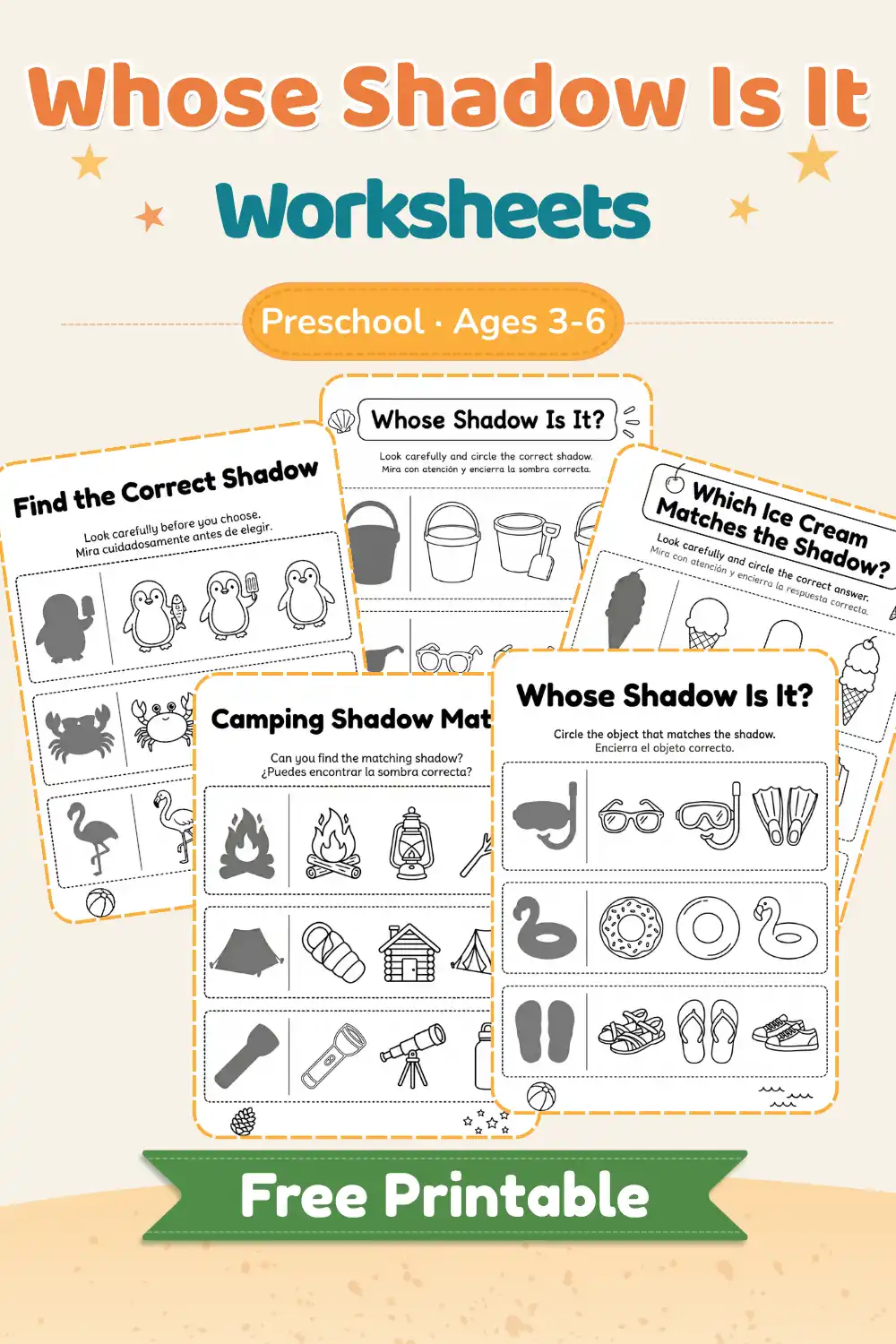
I started watching Clara more closely during her calm moments. Not to analyze her, but to really see her. I noticed the small ways she tried to make sense of her world. She would line up her toys in a certain order. She would repeat the same game over and over. She seemed to need to understand patterns before she could feel safe.
That observation changed how I responded to her meltdowns. Instead of trying to talk her out of her feelings, I started helping her notice what was happening. “Your body feels tight right now. Let’s look at the clouds together and see what shapes we find.” It didn’t always work, but when it did, it was like she could finally breathe again.
This Is Not the End of the Story
We’re still in the middle of it. Clara is still three. She still throws herself on the floor sometimes. I still feel like I’m failing on the hard days. But I also see her more clearly now. I see the little girl who needs to feel powerful in a world that makes her small. I see the daughter who needs me to be patient when she is anything but.
I see a relationship that is being built in the hardest moments, not the easy ones.
She doesn’t need me to fix her behavior. She needs me to understand it.
And that understanding has slowly started to change everything. Not because the tantrums stopped. But because I stopped seeing them as enemies. They are just signals. Messages from a little heart that is still learning how to speak.
I’m learning to listen. And that has made all the difference.