
The first week I told myself I could handle it. I propped myself up on three pillows, opened a bag of goldfish crackers on the nightstand, and pulled my daughter onto the bed next to me. She was four. I was on strict bedrest after a complicated pregnancy, and I had this naive vision of us reading stacks of picture books and watching movies in a cozy little cocoon.
By day three, she had eaten half the goldfish and cried when I asked her to color quietly for ten minutes. By day five, she was climbing the headboard, kicking the wall with her bare feet, and whining, Mama, I’m bored, every three minutes. I wanted to cry. I wanted to crawl under the covers and disappear. I wanted my body to cooperate and my child to understand that I couldn’t get up and chase her around the living room.
But she was four. She couldn’t understand. And that was the problem I kept bumping into.
The Cling That Wouldn’t Quit
It wasn’t just boredom. It was a specific kind of clinginess I hadn’t seen in her before. She followed me to the bathroom even though I was barely moving. She refused to play in her room. If I closed my eyes for five seconds, she’d poke my face and say, Mama, are you sleeping?
I remember lying there with my eyes shut, feeling my jaw tighten, thinking, I just need five minutes. Is that so much to ask?
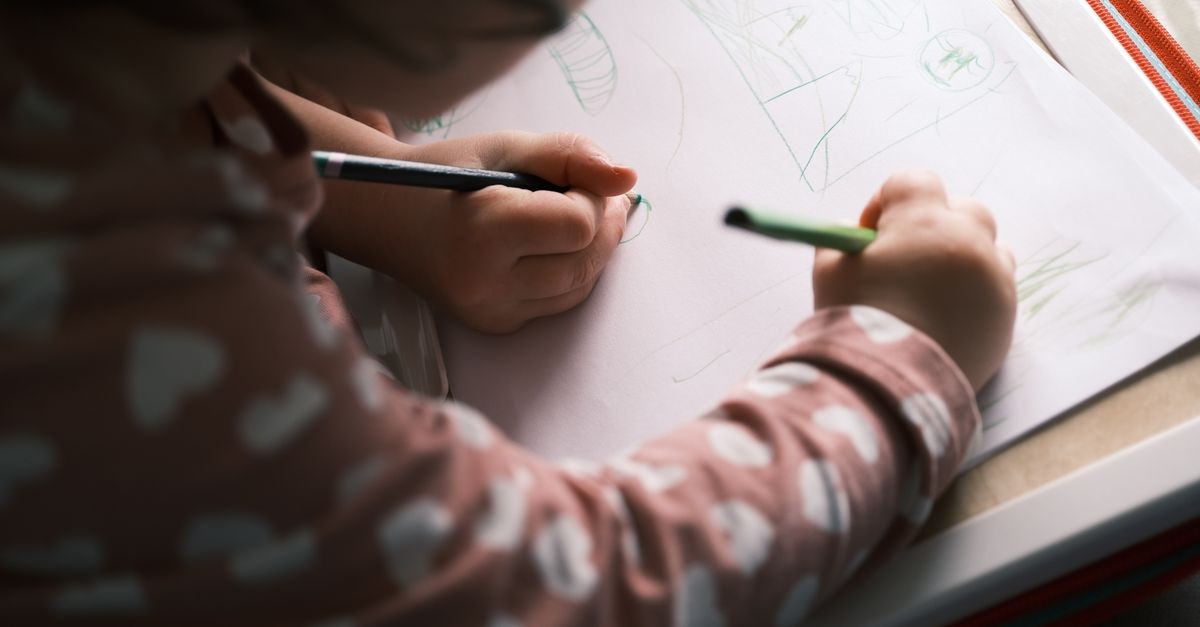
It felt like she was demanding something I didn’t have. Attention, energy, patience. All of it was running on empty. I started dreading the afternoons. The hours stretched out long and gray, and her little voice felt like sandpaper on my nerves.
I love her. I love her so much it hurts. But love doesn’t stop a four-year-old from climbing on your belly when your doctor said absolutely no pressure on your abdomen.
Why She Couldn’t Play Alone
It took me a while to stop being angry and start being curious. I had to get past my own frustration first. I had to admit that I was failing at this, that I had no idea how to entertain a preschooler from a horizontal position.
But somewhere around week two, I started paying attention to what she was actually doing when she clung to me. She wasn’t trying to be difficult. She was scared.
I realized my body had changed. I was lying down all day, which I never did. I looked tired. I sounded tired. I wasn’t making her breakfast or walking her to the couch or picking her up when she fell. The whole rhythm of our life had shifted, and she didn’t understand why.
What looked like clinginess was actually fear. She was checking to see if I was still okay. Every time she poked my face or demanded my attention, she was asking, Are you still here? Are you still my mama?
Four-year-olds don’t have words for that. They have behaviors.
The Day I Gave Up On Activities
I spent a lot of energy trying to find the perfect activity. I ordered a magnetic board for the bed. I bought sticker books and washable markers. I set up a little tray on the mattress with playdough and cookie cutters. None of it lasted more than seven minutes.
One afternoon, I was so exhausted that I just stopped. I put the activity tray aside. I turned off the TV. I lay there with my eyes open, staring at the ceiling, and she crawled up next to me and put her head on my shoulder.
Neither of us said anything. She traced a circle on my arm with her finger. I let her do it. After a while, she started humming a little song under her breath. She wasn’t bored. She was connected.
That was the moment something clicked for me. She didn’t need me to entertain her. She needed me to be present. And I had been so busy trying to solve the problem of her boredom that I had forgotten to just be with her.
What Actually Helped (Most Days)
I want to be honest with you. Nothing worked perfectly. Some days were still terrible. But I found a few small things that made the hours a little easier for both of us.
First, I stopped fighting the cling. I accepted that she was going to be on the bed with me. Instead of trying to push her away so I could rest, I pulled her closer. I let her sit on my hip. I let her lean against my chest. I stopped worrying about the mess and the chaos and just let her be near me.
Second, I started narrating my rest. I would say things like, Mama’s body needs to stay still so the baby can grow strong. That’s my job right now. Your job is to be my helper. She took that seriously. She started bringing me pretend cups of tea and little stuffed animals to keep me company.
Naming the situation gave her a role instead of a problem.
Third, I made peace with the fact that screens were going to be part of our day. I had always been strict about screen time, but bedrest changed the rules. We watched a lot of Bluey. We watched the same episode of Frozen so many times I can still recite it. And I stopped feeling guilty about it.
But Some Days Nothing Worked
I don’t want to pretend I figured it all out. There were afternoons when she screamed because I wouldn’t let her jump on the bed. There were moments when I cried in the bathroom while she pounded on the door. There was a day when I called my husband at work and just sobbed into the phone.
Bedrest with a preschooler is hard. It’s not cute. It’s not quality time. It’s survival.
On those days, I learned to lower my expectations. If we both made it to dinner without anyone getting hurt, that was a win. If she ate something other than crackers, I called it a victory. I stopped measuring myself against the Instagram moms who somehow did bedrest with crafts and homemade playdough and matching pajamas.
Comparison is a thief when you’re already flat on your back.
The Shift I Didn’t Expect
Sometime around week four, something shifted. She started to relax. She would bring a book to bed and flip through it quietly. She would talk to her stuffed animals while I dozed. She stopped checking on me every two minutes.
I think she finally believed that I wasn’t going anywhere. That even though I was lying down, even though I couldn’t chase her, I was still her mama. I was still there.
That trust took time to build. It didn’t happen because I found the right activity or the perfect schedule. It happened because I showed up, day after day, exhausted and imperfect, and let her be close.
It’s not the parenting I wanted to do. I wanted to be the mom who ran around the park and built forts and danced in the kitchen. But that wasn’t my reality. My reality was a twin bed and a toddler who needed me in a way I didn’t know how to give.
And somehow, that was enough.
What I’d Tell Another Mom in the Same Spot
If you’re reading this from your own bed, bleary-eyed and touched out and wondering how you’re going to make it through another afternoon, here’s what I want you to know.
You don’t need a Pinterest board. You don’t need a schedule. You don’t need to be creative or fun or energetic. You just need to be there.
Let your child climb onto the bed. Let them bring you every toy in the house. Let them talk your ear off about the same Paw Patrol episode for the hundredth time. It’s not going to ruin them. It’s going to teach them that love is present even when life is hard.
Your child isn’t trying to make your life harder. They’re trying to make sure you’re still theirs.
And one day, this season will end. You’ll get back on your feet. You’ll chase them around the yard again. But the memory of being still together, of lying side by side in the quiet afternoon, that might be the thing they remember most.