The screaming started before my coffee was even ready. I heard the thump first–that unmistakable sound of a small body hitting a hard floor. Then the wailing. My three-year-old daughter, Maya, stood at the kitchen doorway with tears streaming down her face. Her four-year-old half-brother, Leo, was already running to his room, slamming the door behind him.
I didn’t even know what happened this time. It could have been over a toy, a crayon, or just the fact that they both wanted the same spot on the couch. It didn’t matter. The damage was done. Again.
I stood there holding the coffee pot, feeling my chest tighten. This was supposed to be our fresh start. I had met Mike six months ago, and we both felt that rare click–the kind where you just know. Two single parents, each with one toddler from previous relationships, trying to blend our lives together. But every time we tried to spend time as a family–a trip to the park, a dinner at the table, even just a quiet movie night–it ended with one of them crying and me wanting to cry too.
Some mornings I’d look at Mike across the table and we’d just stare at each other, exhausted. We had this dream of moving in together, of being a real family. But the constant fighting between Maya and Leo made it feel impossible. How could we share a home when they couldn’t even share a box of crackers?
The Sound of Constant War
I started dreading the weekends. Weekdays were manageable because Maya was at daycare and Leo was with his mom. But Saturdays and Sundays meant four of us in one space, and that’s when the aggression would flare up like a wildfire.
It wasn’t just little arguments. It was hitting. Pushing. Biting. I lost count of how many times I separated them, sat them down, tried to explain using my calmest voice. None of it stuck. Ten minutes later, they’d be at it again.
I remember one afternoon in particular. Mike had made spaghetti–his mom’s recipe, the one he was proud of. He set the table with paper plates and plastic cups, trying to make it feel special. Within five minutes, Leo had grabbed Maya’s fork. Maya screamed. Leo pushed her off her chair. The spaghetti went flying. Mike just stood there with his hands on his hips, looking at the mess on the floor like it was a symbol of everything we were failing at.
I wanted to fix it. I wanted to be the kind of mom who could handle sibling fighting with grace and wisdom. But mostly I just felt frustrated. And scared. Because if we couldn’t figure this out, what was the point of moving forward together?
Why They Were Really Fighting
It took me a long time to see past the surface. I was so focused on the behavior–the hitting, the yelling, the chaos–that I missed what was underneath. But one night, after a particularly bad day, I sat on the edge of Maya’s bed and watched her sleep. Her little face was peaceful, but her hand was still clutching a tiny stuffed bunny. And it hit me.
These kids weren’t just fighting over toys. They were fighting over territory. Over love. Over attention. Over the deep, unspoken fear that there wasn’t enough to go around.
Maya had been my only child for three years. She was used to having my full attention, my lap, my patience. Now there was this boy who showed up every weekend, and he took up space in her world. Leo, meanwhile, was used to being the center of his mom’s universe. Now he had to share his dad with a little girl he barely knew.
Neither of them had asked for this. They were both just trying to survive in a new, confusing family landscape.
Some toddlers don’t fight because they’re bad kids. They fight because they’re trying to protect what little they have.
That thought changed everything for me. It didn’t stop the fighting overnight, but it gave me a new lens to look through. Instead of seeing two aggressive toddlers, I started seeing two scared little humans who needed help feeling safe.
The One Thing That Actually Changed Things
I tried every parenting tip I could find. I read articles about sibling rivalry. I tried time-outs, reward charts, and calm-down corners. I tried separating them for hours at a time. I tried making them hug and apologize. Nothing worked for more than a day.
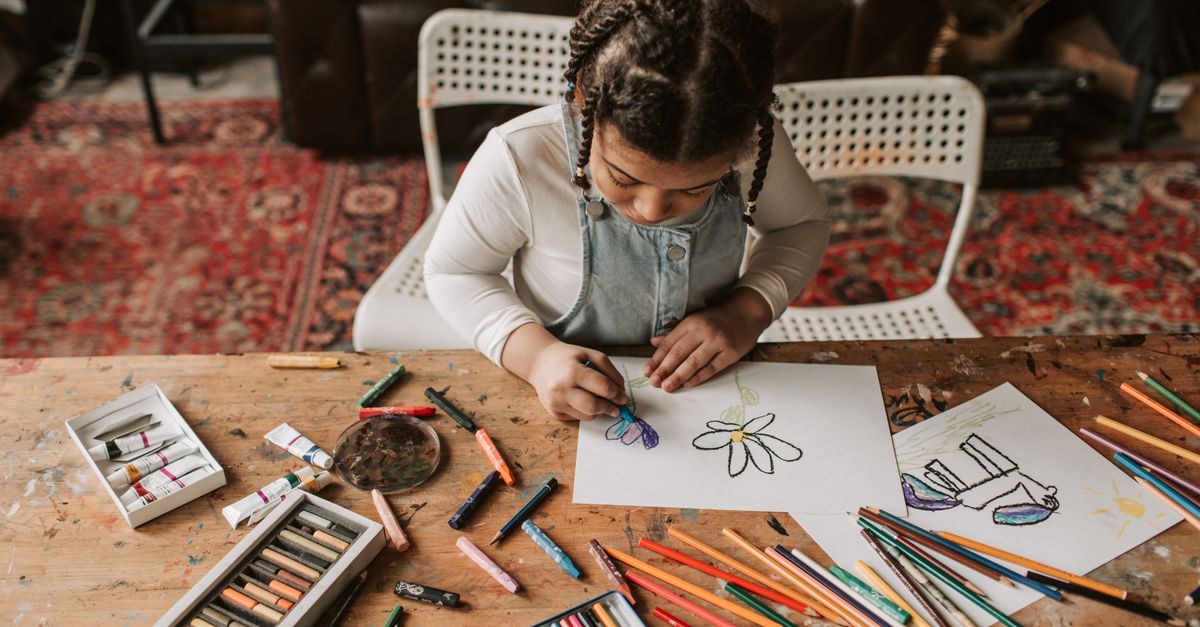
But then I stumbled onto something by accident. One rainy afternoon, I gave up on trying to entertain them together. Instead, I sat on the floor with a big piece of paper and a box of crayons. I started drawing a simple pattern–a circle, then a square, then a circle again. I didn’t tell them what to do. I just started.
Maya wandered over first. Then Leo. They didn’t talk to each other. They just sat on opposite sides of the paper and started drawing their own patterns. For twenty whole minutes, there was no fighting. Just the scratch of crayons and the occasional glance at each other’s work.
It was the longest peace we’d had in weeks. And I realized something important.
They didn’t need me to referee their fights. They needed me to create a space where they could be near each other without having to compete.
What I Stopped Doing
That realization made me rethink everything. I started noticing the patterns in their fighting. It almost always happened when they felt they had to share something scarce–my attention, a toy, a snack, a spot on the couch. The scarcity was the real problem, not the kids themselves.
So I stopped forcing them to share. If Maya had a toy, Leo couldn’t take it. Period. I stopped making them apologize when they weren’t sorry. I stopped trying to make them play together. I stopped stepping in the second I heard a raised voice.
Instead, I started giving them more of what they actually needed: individual attention. Ten minutes alone with each of them before the chaos of the day started. A special snack that only Maya liked. A secret handshake with Leo. It felt small, but it made a difference.
I also stopped expecting them to be best friends. They don’t have to love each other right now. They just have to coexist without hurting each other.
That shift in my own expectations was huge. Because the pressure I felt to make them get along was making everything worse. I was so desperate for them to be a happy blended family that I was pushing them together when they needed space.
The Days Nothing Works
I want to be honest: not every day is better. Some days, nothing works. Yesterday, Leo bit Maya’s arm because she looked at his cup. I had to physically separate them while they both screamed. Mike and I barely spoke at dinner. I went to bed feeling like a failure.
On those days, I remind myself that this is hard. Not because I’m doing it wrong, but because it just is. Two toddlers from different homes, different routines, different loyalties–learning to live together is a marathon, not a sprint.
I also remind myself that their fighting doesn’t mean our family is broken. It means they’re still figuring out how to fit together. And so are we.
What I Want Other Parents to Know
If you’re reading this and your toddlers fight constantly, I see you. I know the guilt, the frustration, the way your stomach knots up when you hear them start to argue. I know the fear that maybe you’re making a mistake by trying to blend your families.
But here’s what I’ve learned: their behavior makes sense. They’re not bad kids. They’re kids trying to navigate a complicated emotional world with very limited tools. The fighting is their way of saying, I’m not sure I’m safe. I’m not sure there’s enough love for me.
Your job isn’t to stop every fight. Your job is to help them feel safe enough to stop fighting on their own.
That takes time. And patience. And a whole lot of deep breaths.
We’re still in the middle of it. Some days are beautiful–they’ll share a blanket on the couch, or Leo will hand Maya a cracker without being asked. Other days, I wonder if we’ll ever get there. But I’m learning to hold both realities. The frustration and the hope. The hard days and the small wins.
Because the fighting doesn’t define our family. What defines us is that we keep showing up, keep trying, keep loving them through the chaos. And that’s enough.
What Helped Us Instead
I stopped looking for a magic solution and started looking for small moments of connection. The pattern-drawing afternoon taught me that my kids don’t need more rules or consequences. They need more chances to be near each other without pressure. They need me to trust that they can figure things out, even when it doesn’t look pretty.
The biggest shift happened inside me. When I stopped seeing their fighting as a crisis and started seeing it as a signal–a sign that they needed more safety, more space, more of me–everything felt a little more manageable. Not perfect. But manageable.